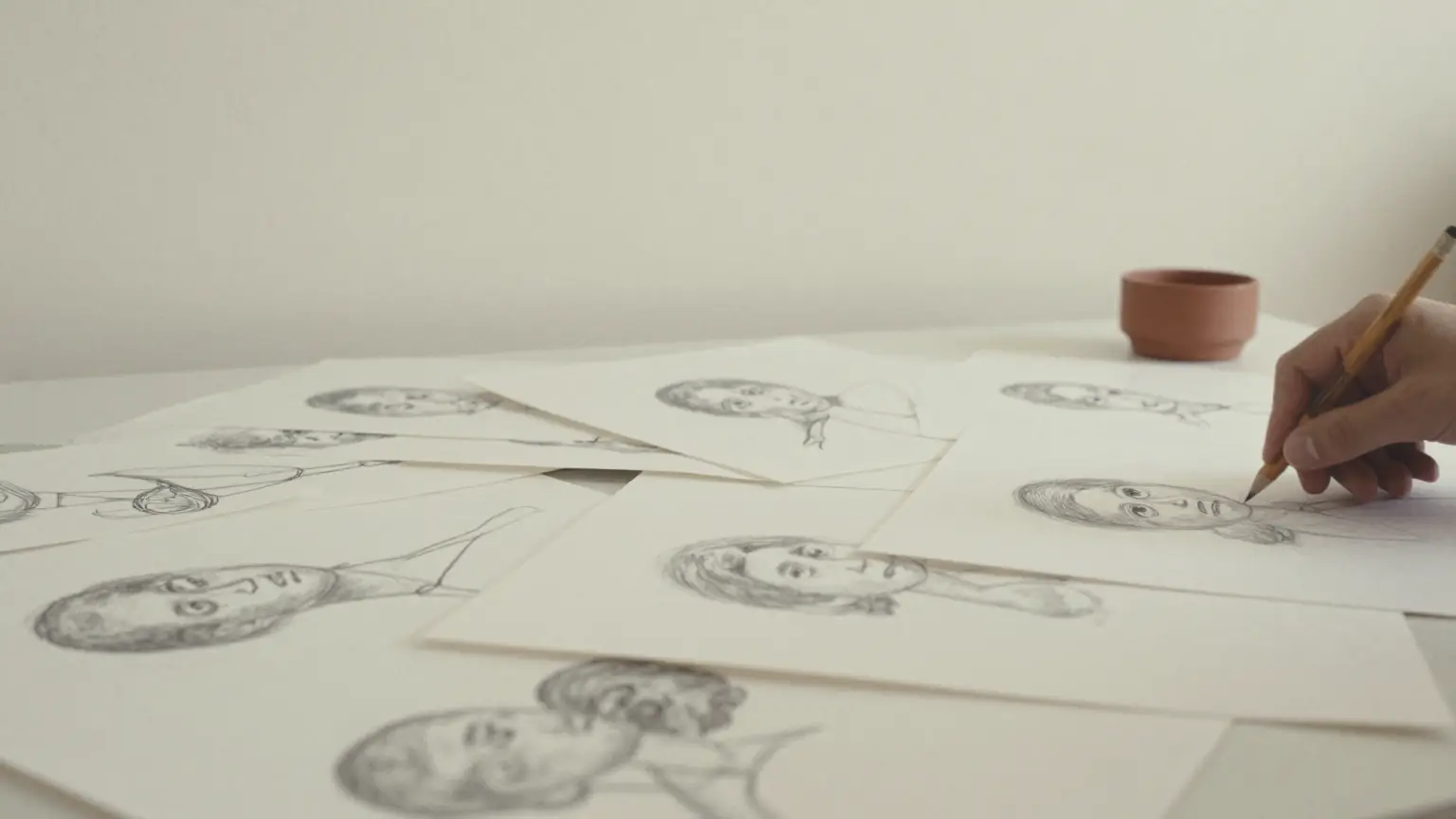
The standard is what breaks, not the discipline
what perfectionism costs
pinned up
A hundred days of lowering the bar on purpose






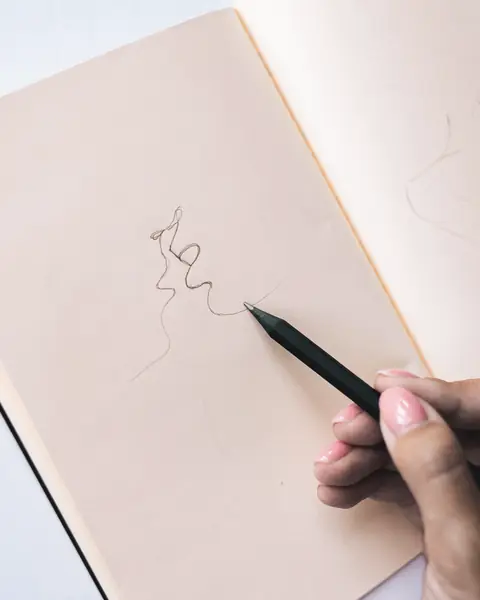
The day is closed by a report, not by a result
how it runs
the shape of it
A hundred days of lowering the bar on purpose
The hardest part is writing tasks small and dull enough to finish. Ambition here is the failure mode, not the fuel.
drag the strip sideways
The hardest part is writing tasks small and dull enough to finish. Ambition here is the failure mode, not the fuel.
The first genuinely bad page that you report anyway. After that one, most of the pressure has nowhere left to sit.
A sketchbook that is mostly ordinary, with the handful of good pages that only exist because the ordinary ones were allowed.
in pictures
A hundred days of lowering the bar on purpose
 the table
8 photos in the gallery
 the hands
9 photos in the gallery
 the room
8 photos in the gallery
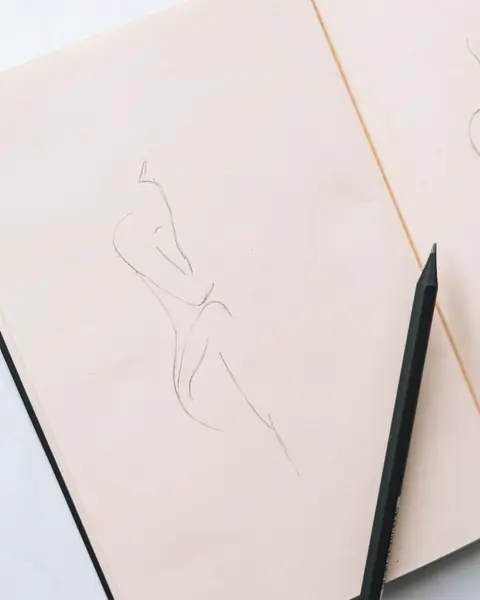 the pages
9 photos in the gallery
documented, not invented
Named by artists reviewing their own failed attempts
- —
- A working artist listing why her 100-day projects fell apart puts too much pressure on the outcome first, and singles out the belief that the work had to be good every single day. source
- —
- A daily-drawing writer describes a single missed day reading as proof of personal failure, and concludes that a challenge doing that to you is not worth keeping. source
Each claim links to the page it came from. We paraphrase; we do not reproduce wording we have not checked at the source.
before you sign up
Questions worth asking
What if the drawing is bad?
You report that you drew. The programme has no mechanism for evaluating the page, which is the point of it.
Will I improve over a hundred days?
We do not promise that and we do not teach. What the format produces is a hundred days on which drawing happened; what that does for your work is yours to judge.
Can I abandon a drawing halfway?
Yes. An abandoned page is a completed task if the task was to spend the time.
Does anyone see my work?
Only if you choose to show it. The report is text, and no image is expected.
What if I miss a day?
You write the miss into the report. Missing is part of a hundred days, not the end of them.
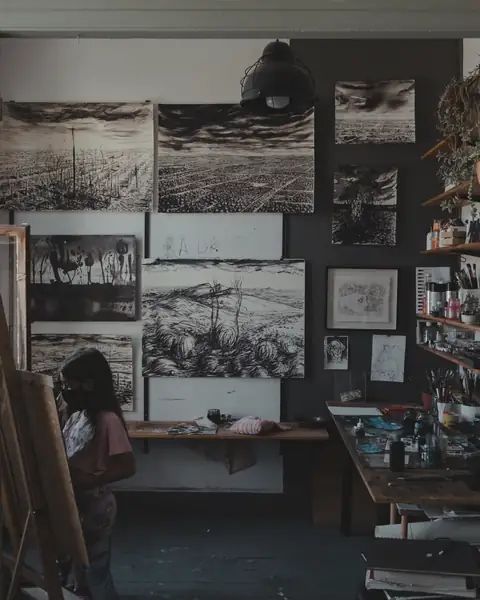
A hundred days without a verdict
Leave an email and we write when the next group opens. No payment is taken on this page.
- Tasks you can complete badly
- A report with no field for quality
- No critique from us and none from the group
We send one email when the next hundred days open.
ask first