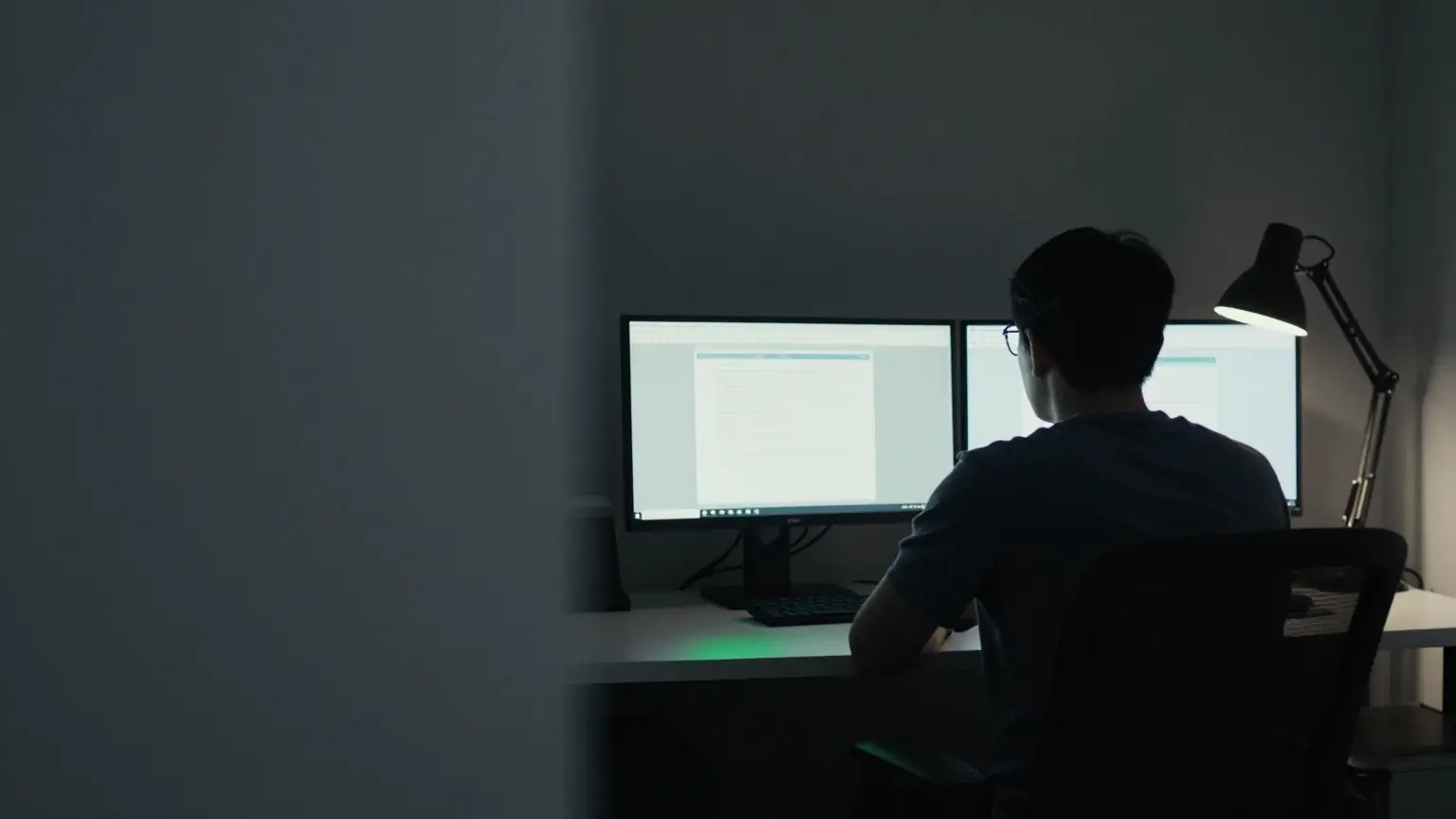
People have been keeping this log by hand for years
the format, unbranded
Stars on the public log template for the format on GitHub, alongside 11,561 forks of it.
sourceThe original pledge asks for an hour a day and a public post, with no teacher and no fee. What it has never had is a list for tomorrow and someone who notices when the posts stop.
sourceFigures are quoted from the pages linked beside them. None of them describe our own participants.
what the job does not cover
Fluent in one codebase, stuck everywhere else
- 01
The codebase teaches itself, not the craft
Six months in you know one company's conventions cold and are no better at anything that travels with you.
- 02
Reviews measure delivery, not learning
Whether you understood something new this quarter appears on no form anywhere, so it becomes the first thing to drop.
- 03
The ninth hour feels absurd
Eight hours of someone else's code makes an hour of your own look ridiculous, right up until the tasks get small enough to be possible.

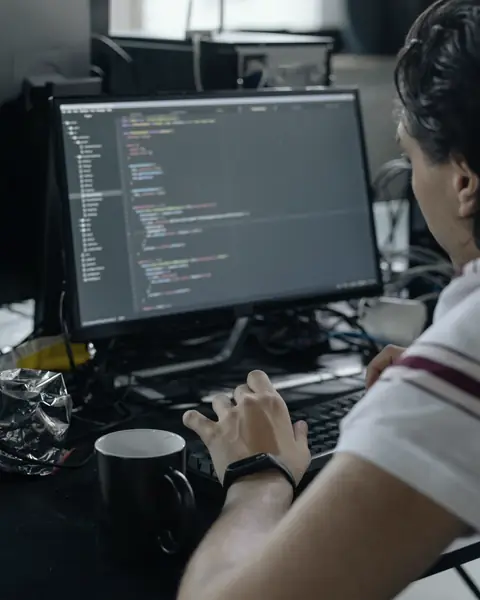

Three tasks in the morning, one report at night
how it runs
how it tends to go
A hundred days beside a full-time job
Mostly finding out how much energy the job actually leaves, then writing tasks against that number rather than against ambition.
Mostly finding out how much energy the job actually leaves, then writing tasks against that number rather than against ambition.
A release week hits. The tasks shrink, the report keeps arriving, and the run survives its first collision with work.
A hundred days of work that belongs to you, and a clear view of what you can sustain beside a job.
Three tasks each morning. One report each night. A hundred days of code.
gallery
A hundred evenings at the keyboard
before you sign up
What working developers ask
I already code all day. Is this realistic?
Only if the tasks are small. Fifteen minutes on your own thing counts as a day, and that is what most people here write on work nights.
Can the tasks be work tasks?
You decide. Plenty of people use them for the thing at work they never get time to understand properly.
Will my employer see any of it?
No. Reports go to the group, nowhere public, unless you choose to post them yourself.
Does it help with a promotion?
Unknown, and we will not claim it. What it produces is a record of what you did with a hundred days.
What if I am on call?
Shrink the tasks to almost nothing and report that. The run counts days you showed up, not hours logged.

A hundred days that belong to you
Leave an email for the start date of the next group. Nothing is charged on this page.
- Three tasks in the morning, one report at night
- Work of your own, kept out of the ticket queue
- A group with none of your colleagues in it
We send one email, containing the start date.
ask first