
why streaks break
The problem was never the material
- 01
Evening energy runs out before the editor opens
By 9 p.m. the day has taken what it wanted. Deciding what to work on is itself the work you cannot do.
- 02
One missed day quietly becomes three weeks
Nothing dramatic happens. There is just no moment where anyone notices you stopped, least of all you.
- 03
Learning alone has no witnesses
No standup, no reviewer, nobody waiting for your commit. Progress that nobody sees is easy to abandon.

Three tasks in the morning, one report at night
how it runs
the shape of it
What the hundred days usually look like
The habit is loud and effortful. You are mostly learning to write tasks you can actually finish.
The habit is loud and effortful. You are mostly learning to write tasks you can actually finish.
The first bad week arrives. You miss a day, report it, and keep going — that is the skill being built.
A hundred days of logs behind you and a project that moved, because it got touched on ordinary evenings.
gallery
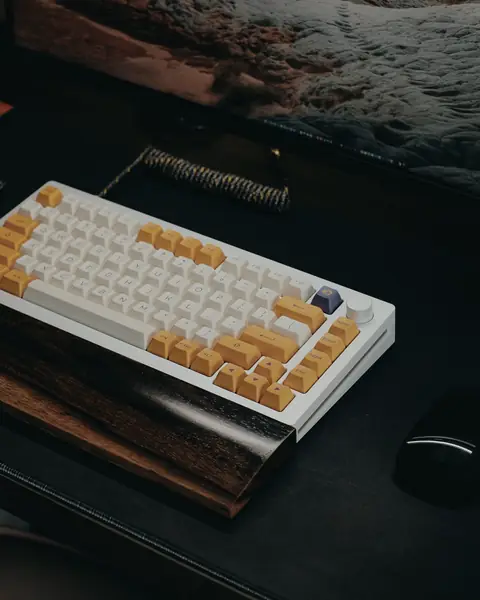
A hundred evenings at the keyboard
The practice already exists — the structure is what is missing
where this comes from
#100DaysOfCode has run since 2016 as a public pledge: code an hour a day, tweet the log.
sourceFigures here are quoted from their sources, not estimated. Where we have no verified number, we show none.
before you sign up
Reasonable questions
Do you teach me to code?
No. You choose the material and the project. What you get here is the daily structure and the people doing the same thing beside you.
What if I miss a day?
You write that in the report and carry on. The programme counts days you showed up, not an unbroken streak.
How long does it take each day?
As long as your three tasks take. Most people write tasks that fit into thirty to sixty minutes on a normal evening.
Is there a deadline to join?
Groups start on a fixed date so everyone counts the same hundred days. Leave your email and we tell you the next one.
What happens after day 100?
You have a hundred logs and a habit that survived a hundred days. Plenty of people start a second hundred with a different goal.

The next hundred days start soon
Leave an email and we will tell you when the group opens. No payment is taken here.
- Three tasks in the morning, one report at night
- A group that reads your log and notices when it stops
- A hundred days, counted from a fixed start date
We write once, when the next hundred days start.
ask first