










01
Name the reading task in the morning
One of your three tasks is the reading, written down with a size: ten pages, one chapter, fifteen minutes. A decision made in advance beats willpower spent at night.

Evenings · book against phone
Your attention holds fine for a spreadsheet at eleven in the morning. The evening is a different question: it has a default move, and the default is a feed. A hundred days of small written commitments is a way to change what the hand reaches for first.
why the evening goes this way
What the hundred days usually look like
before you sign up
No. There is no screen-time rule and nothing to install. The only daily obligation is three tasks written in the morning and a report at night.
Yes, that is where most people write it. The device is not the enemy; the default is.
We make no claim about attention, memory or reading speed. What the programme changes is whether the reading happens on an ordinary evening.
Kindle, phone app, paper, audio — it counts the same. You decide what the reading task means and you report against it.
Pricing is set when the next group opens. This page takes an email and nothing else.
how it runs
One of your three tasks is the reading, written down with a size: ten pages, one chapter, fifteen minutes. A decision made in advance beats willpower spent at night.
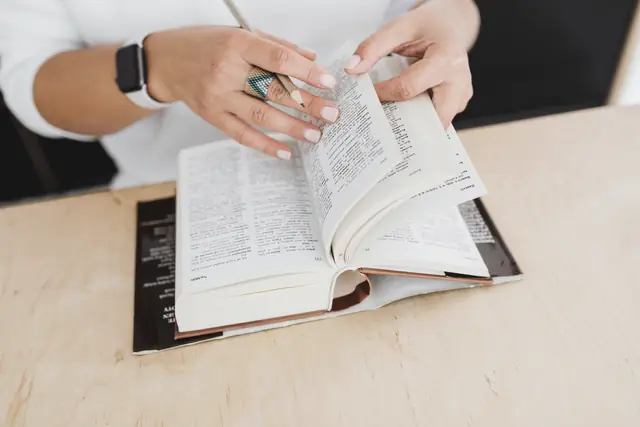
Two lines at the end of the day: what happened, what did not. Writing it is short, and it is the part that makes tomorrow different.

Other people posting their evenings at the same hour. The feed you check becomes one full of people who read tonight.
the shape of it
Loud and effortful. The reading task keeps sliding to the end of the evening until you learn to put it earlier.
Loud and effortful. The reading task keeps sliding to the end of the evening until you learn to put it earlier.
A first week where the phone wins every night. You log it honestly and the week ends without becoming a month.
Reading has a slot in the evening that it did not have in week one, and a hundred reports showing how it got there.
gallery
Three tasks each morning. One report each night. A hundred days of reading.
where this comes from
From an essay on getting out of a slump: “Oh, I'd pick up a book, only to find my thoughts wandering and soon I'd be aimlessly scrolling Instagram or Twitter instead of reading.”
sourceFable reports an average reading streak of 29 days across its app, up threefold year on year. The figure is self-reported by a company that sells social reading, and it is worth exactly that — but daily counting visibly moves behaviour.
sourceEvery number here is quoted from the source next to it, with its origin named. We invent none.
Leave an email and we will tell you when the next group starts. No payment is taken here.
We write once, when the next hundred days are scheduled.
ask first